What Is the Real Meaning of SEO? A Beginner’s Guide
Introduction: Why SEO Is More Than Just a Buzzword
If you’ve ever typed something into a search engine and clicked on one of the top results, you’ve experienced SEO firsthand even if you didn’t know it. But what is SEO really, and why should you care?
Search Engine Optimization or SEO is the act of optimizing a website to rank higher in search engines such as Google. For newbies, SEO can sound complicated or technical, but the basic concept is quite straightforward: make it easier for people to find your stuff online.
In this guide, we’ll break down SEO basics, the difference between SEO and other marketing tools, and how it can be crucial for anyone who wants to expand online whether you’re creating a blog, introducing a product, or operating a small business.
What SEO Really Means: A Simple Breakdown
At its core, SEO is all about visibility. It’s how search engines such as Google determine which websites should be listed at the top of the page when someone enters a search query.
Let’s say you have the best bakery in town but no sign on the front. That’s what it’s like having a website without SEO.
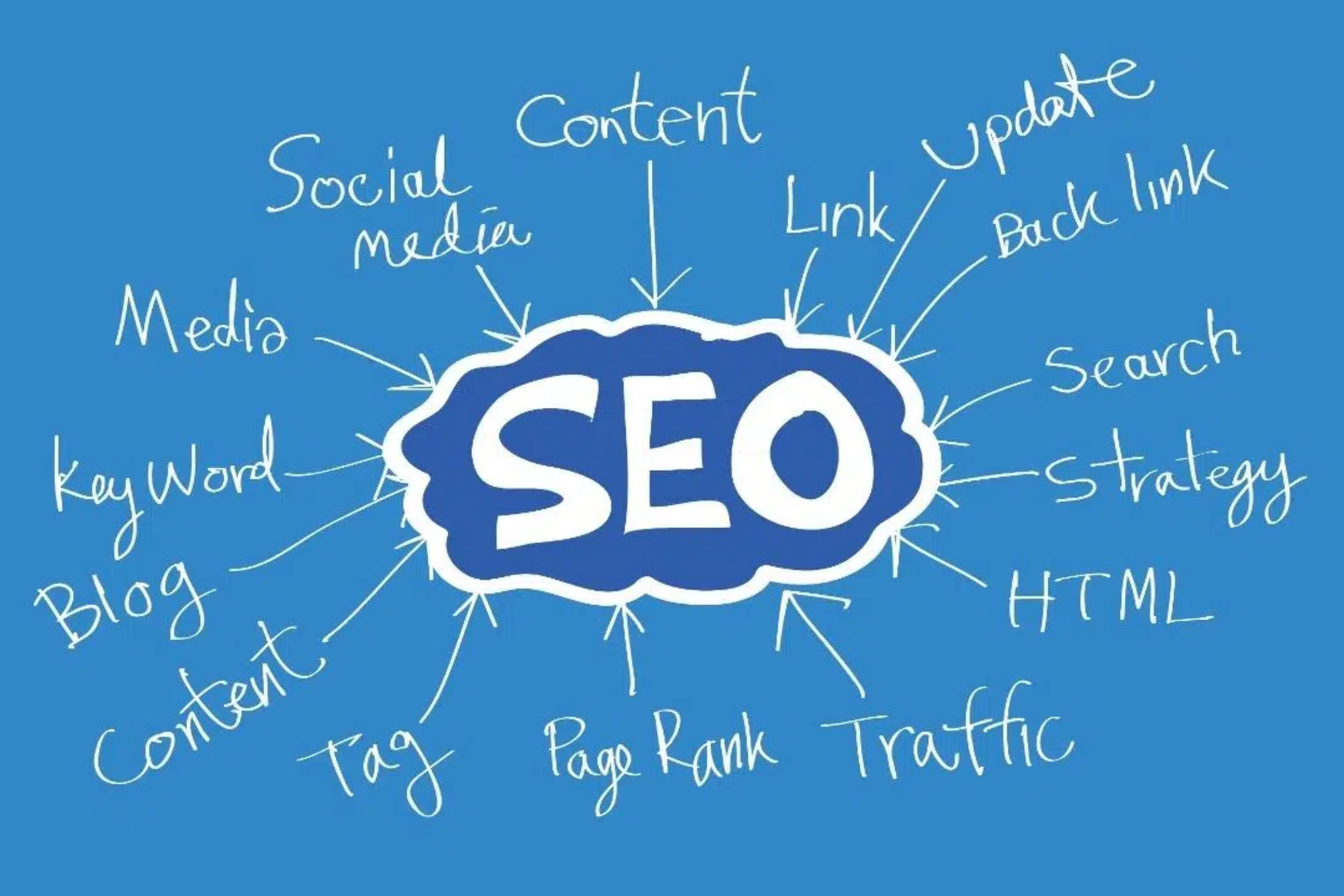
Key Aspects of SEO:
- Keywords – These are the terms and phrases individuals enter into search engines. Selecting the correct ones makes your content appear in the correct searches.
- Content – Quality is key. SEO flourishes on informative, helpful, and unique content.
- Links – Search engines trust sites with links from other reputable sites.
- User Experience (UX) – Quick load times, mobile-friendliness, and simple navigation are more important than ever.
- Technical SEO – These are the behind-the-scenes work such as site speed, structured data, and XML sitemaps
SEO is not about trying to fool Google it’s about building a site that users will want to visit and Google will want to recommend.
Why SEO Is Unique Compared To Other Digital Tools/Platforms
A lot of individuals get SEO confused with other digital strategies such as social media marketing or online advertising. Although they all strive to increase online visibility, their methods and outcomes vary drastically.
SEO vs. Paid Advertising (Google Ads, Social Ads)
- SEO develops organic traffic over time. Results can take weeks or months but are cost-effective and long-lasting.
- Paid ads provide instant visibility but ongoing expense. Once the ad disappears, so does your traffic.
SEO = Long-term growth
Ads = Short-term exposure
SEO vs. Social Media
- Social media assists in creating brand awareness, community, and engagement.
- SEO reaches people who are actively looking for something, so it is intent-driven.
- SEO brings ready-to-act visitors, whereas social media builds followers.
SEO vs. Email Marketing
- Email marketing reaches people who already know about you.
- SEO brings new users to your website through search.
- SEO brings new people to the top of your funnel; email marketing converts.
Conclusion: The True Power of SEO
The true meaning of SEO comes from its capacity to bring together users and answers, businesses and buyers, creators and communities. It’s more than a marketing strategy, it’s a tactic that affects how folks discover and have faith in your site.
Whether you’re beginning your online experience or wanting to enhance your current site, SEO provides a cost-efficient, long-term means of expansion. By mastering the SEO basics and keeping current with trends, you provide yourself with an advantage in the constantly competitive online world.
In brief: If you’re online, you require SEO
Recent posts
URL Structure in SEO: A Beginner’s Guide
June 9, 2026
The Data-Driven Future of FMCG Advertising in India
May 27, 2026
Categories
- SMM
- SEO
- SEM
- PPC
- META ADS
Projects






Frequently Asked Questions
SEO is short for Search Engine Optimization. It’s the process of making your website so that it comes up higher on search engines such as Google when someone searches for similar topics.
No, although Google rules, SEO works for Bing, Yahoo, DuckDuckGo, and even search functionality on sites like YouTube and Amazon.
Not necessarily. Most SEO tools and platforms (such as WordPress with SEO plugins) have no-coding optimization processes. Technical SEO, though, does include coding.
SEO can be done without cost if you do it yourself, but companies tend to spend on tools or pay experts. Consider it an investment in long-term visibility.
Absolutely! With proper resources, beginners can handle SEO too. Begin with keyword research, content optimization, and user experience improvement.
SEO is continuous. Algorithms update, competitors change, and trends shift. Regular updates and audits keep and enhance rankings.